Emergency
Systems
From disaster response to wildfire fighting, fixed-wing drones deliver the aerial intelligence first responders need — safely, affordably, and on demand.
A drone survey captures aerial data with downward-facing RGB or thermal payloads, photographing the ground multiple times with each image tagged with GPS coordinates. After flight, photos are processed in photogrammetry software such as PIX4D or Agisoft Metashape to recreate geo-referenced 3D maps, contour lines, digital terrain models, and digital surface models — ready for review in ArcGIS or QGIS.
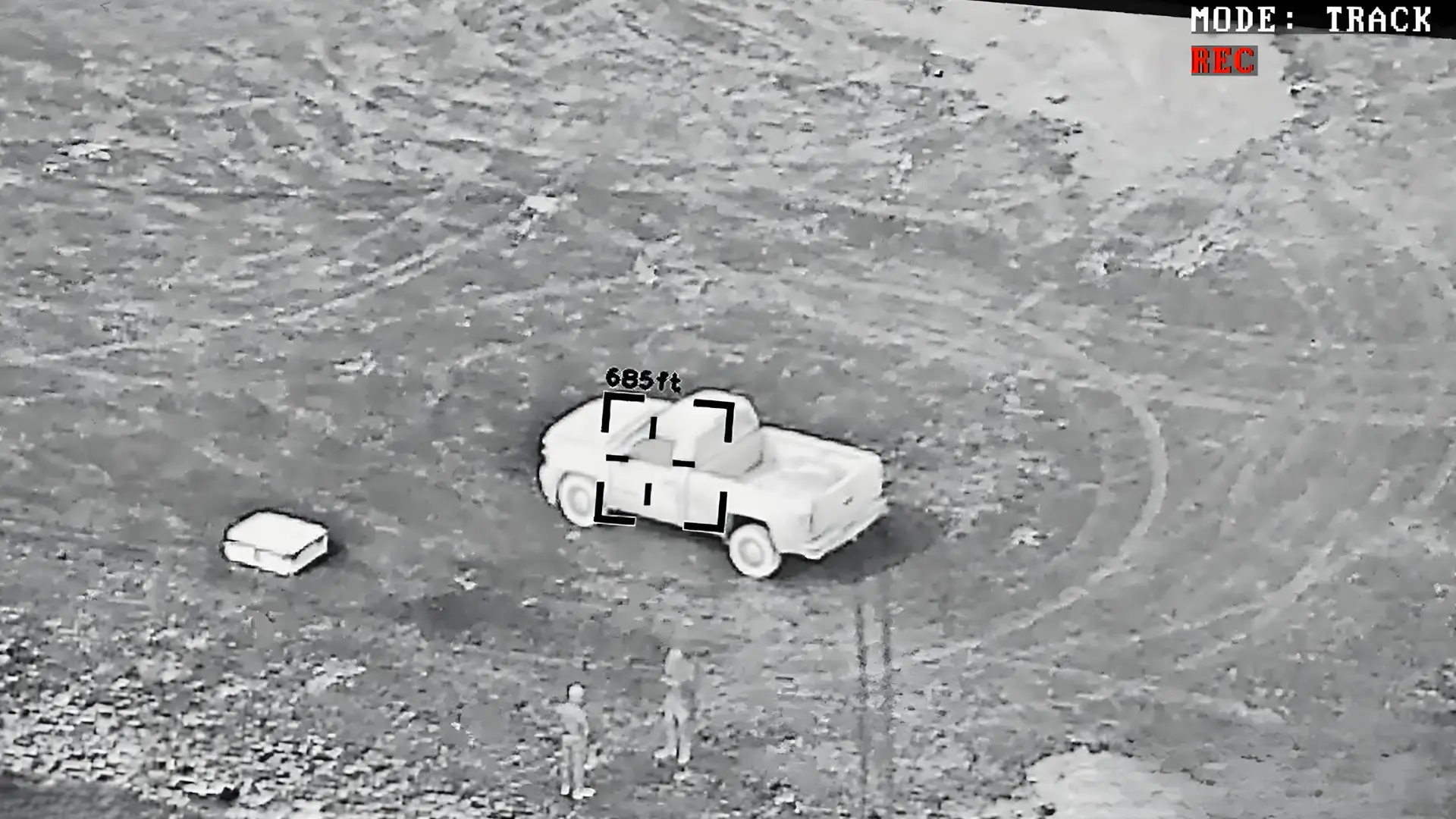
When environmental disasters strike, the first 72 hours are critical. Live aerial view from gimbaled EO/IR cameras reveals current conditions on the ground, giving responders the information they need to act. The more information responders know about the changing environment, the better — and nothing delivers that faster than a drone overhead.
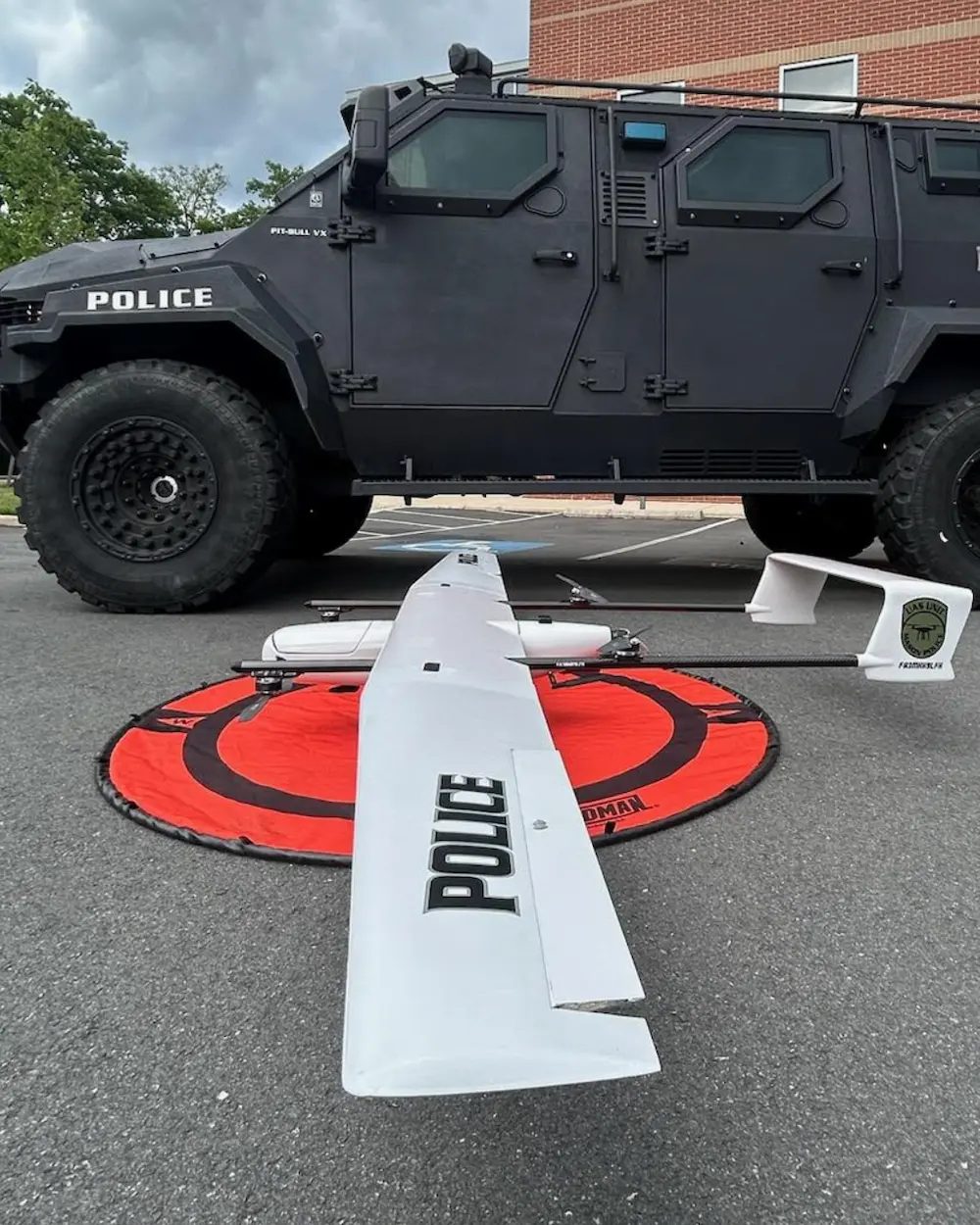
A drone can safely fly at very low altitudes and in dangerous areas — providing the aerial perspective first responders need without risking manned aircraft or pulling them from duties only they can perform. A drone is an affordable solution for smaller units and doesn't require extensive upkeep or ongoing training like other forms of aviation.
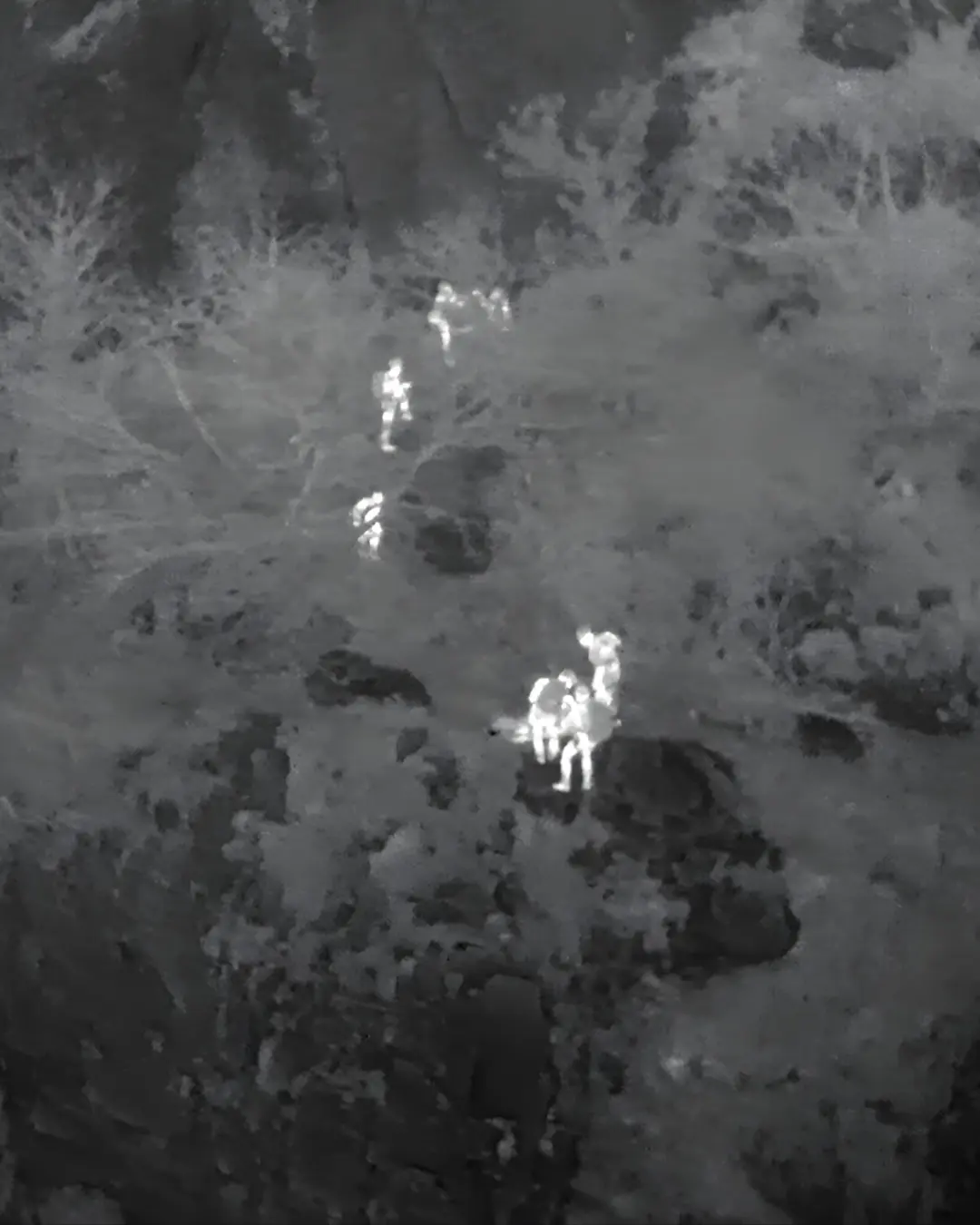
In the world of search and rescue, time is your most valuable resource. In most SAR missions, the missing person is trapped in a life-threatening situation — sometimes for several hours before a rescue team arrives. A drone can cover a large area much faster than a person on the ground, including remote areas that are difficult to reach on foot. By narrowing down the search area, the chances of a successful rescue increase exponentially.
Adapting to Harsh ConditionsSAR missions often occur during natural disasters when poor weather makes it unsafe for manned aircraft. Fixed-wing drones are more stable in these conditions and remove manned pilots from danger entirely. In cooler weather, thermal imaging quickly locates body heat. When temperatures rise, high-resolution photography may be a better option. SAR drones must carry multiple payload types and support day and night operations.
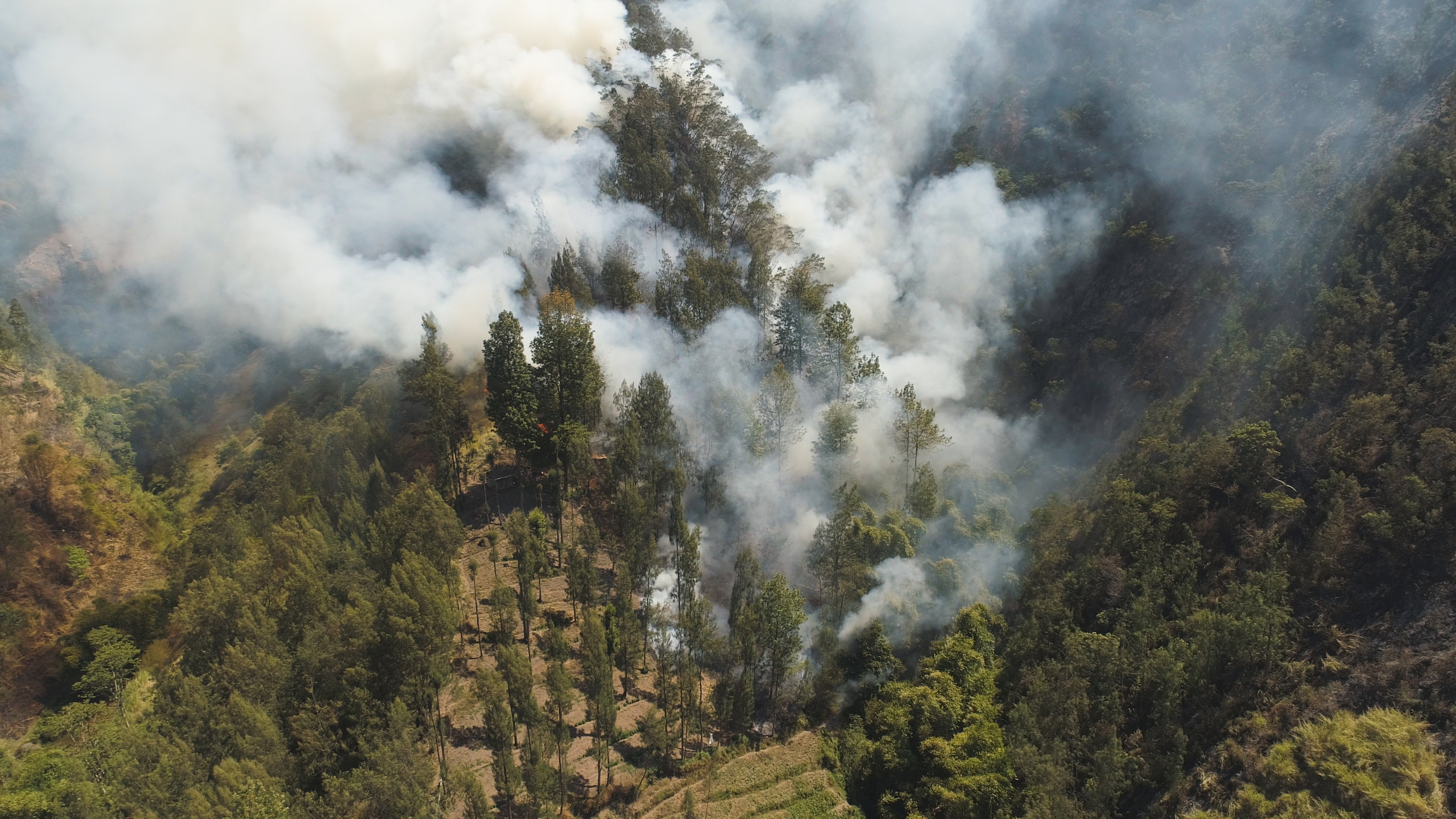
Fixed-wing drones outperform multirotors in poor weather conditions — critical for real-world SAR deployments.A drone equipped with an EO/IR camera sends live thermal data and coordinates to the main command station. By monitoring the edge of the fire and the hotspots within it, a fire chief can better direct ground crews and air attack units attempting to halt the spread — in real time, without risking additional personnel.
The vast damage that a wildfire creates is extremely hard to quantify without aerial imagery. Smoke can linger for two to three weeks, making photography from manned aircraft unviable. Drones fly at lower altitudes, avoiding much of the smoke — enabling expedited map creation for recovery planning and root cause analysis.