Surveying & Mapping
Capture geo-referenced aerial data with unparalleled speed, accuracy, and cost efficiency — and process it into 3D maps, terrain models, and orthomosaics.
Cover vast areas in a fraction of the time required by traditional ground survey methods — without sacrificing resolution or detail.
PPK-equipped drones achieve down to 1 cm RMS horizontal accuracy — matching or exceeding traditional survey-grade equipment at a fraction of the cost.
No pilots, no charter fees, no aircraft leasing. A drone survey costs a fraction of manned aerial surveys while delivering comparable or better data quality.
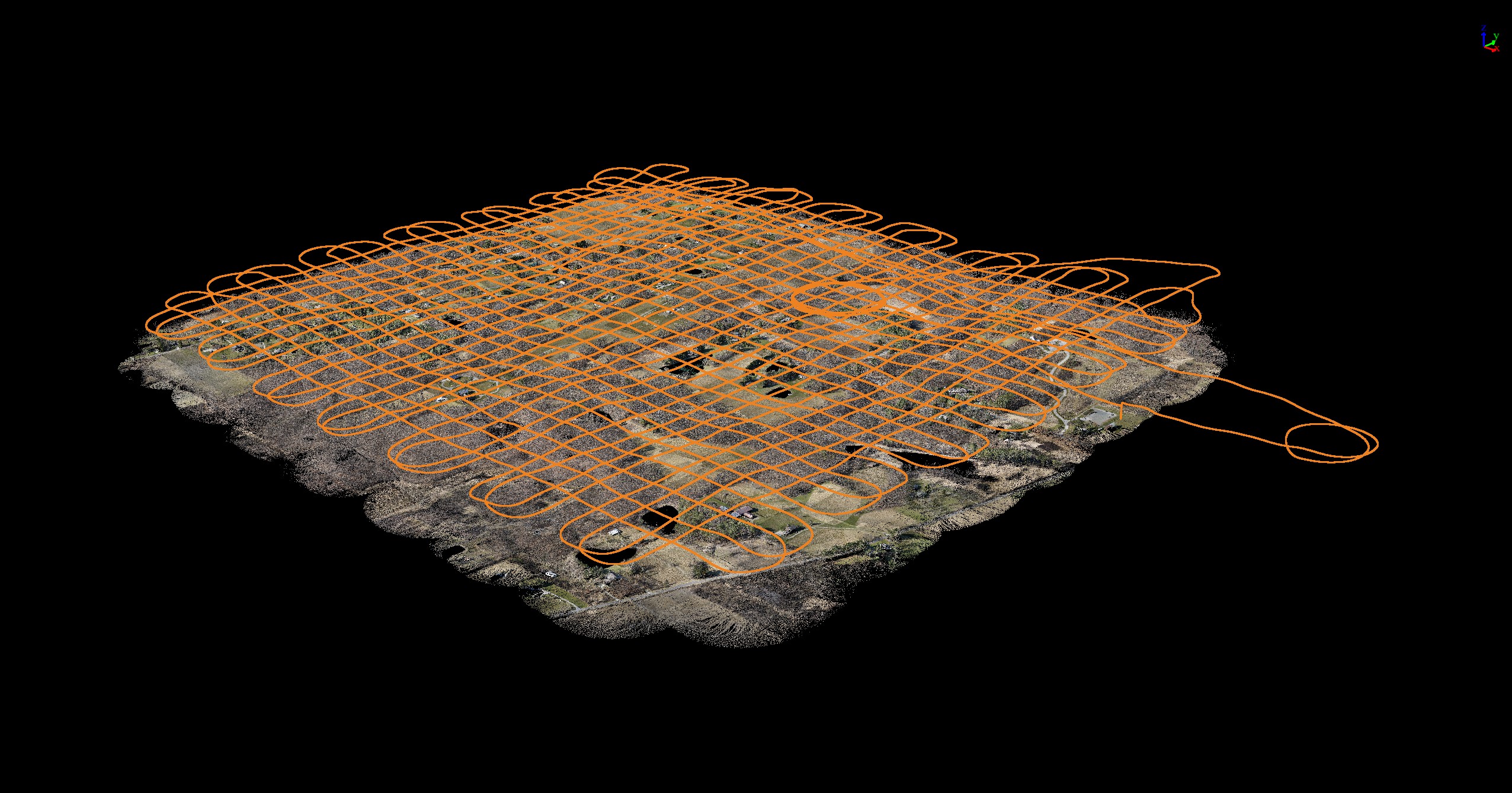
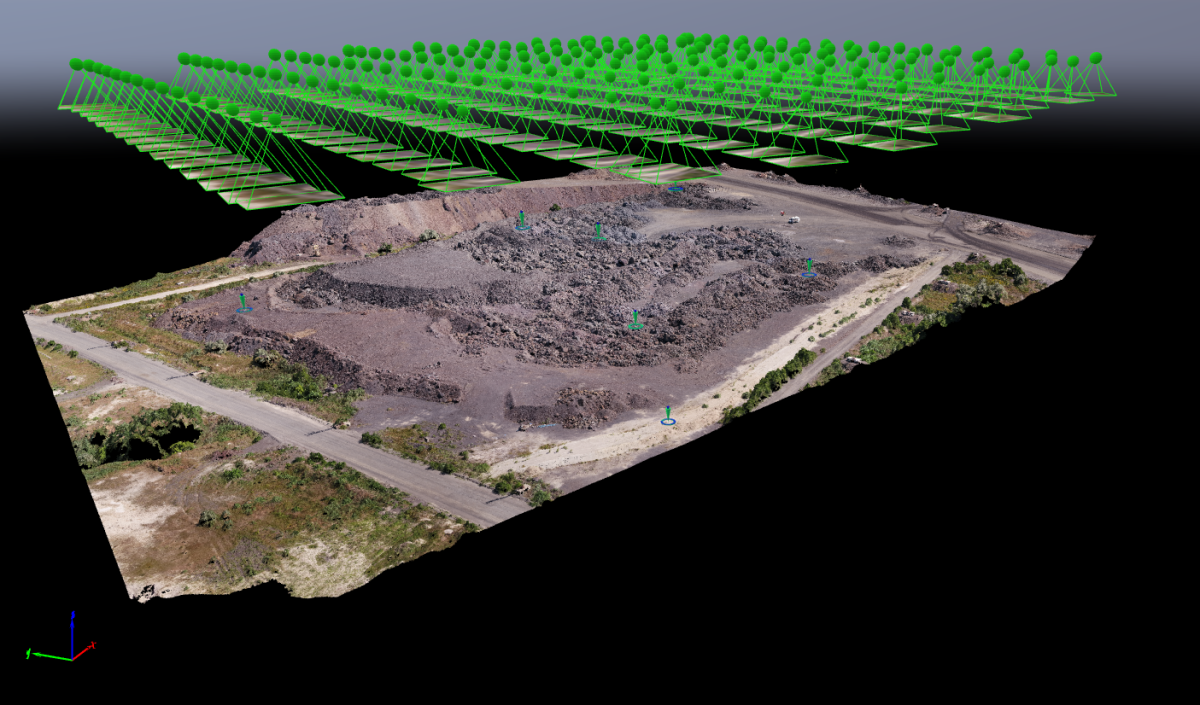
A drone survey uses downward-facing sensors — RGB, Multispectral, or LiDAR payloads — to capture aerial data. During an RGB survey, the ground is photographed multiple times with each image tagged with GPS coordinates.
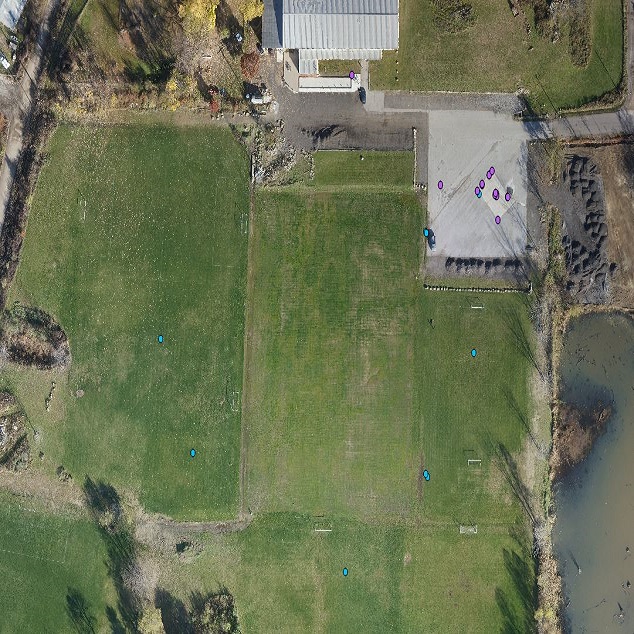
After flight, images are processed in photogrammetry software to recreate geo-referenced 3D maps, contour lines, digital terrain models, or digital surface models for review in geospatial software.
A drone flies at the ideal cruising speed and altitude for extremely high-resolution imagery. Airplanes and satellites fly too fast and too high to capture the same level of detail.
Drones capture imagery and GPS data simultaneously, giving you more information to create a more accurate rendering of the area — with flexibility no other platform can match.
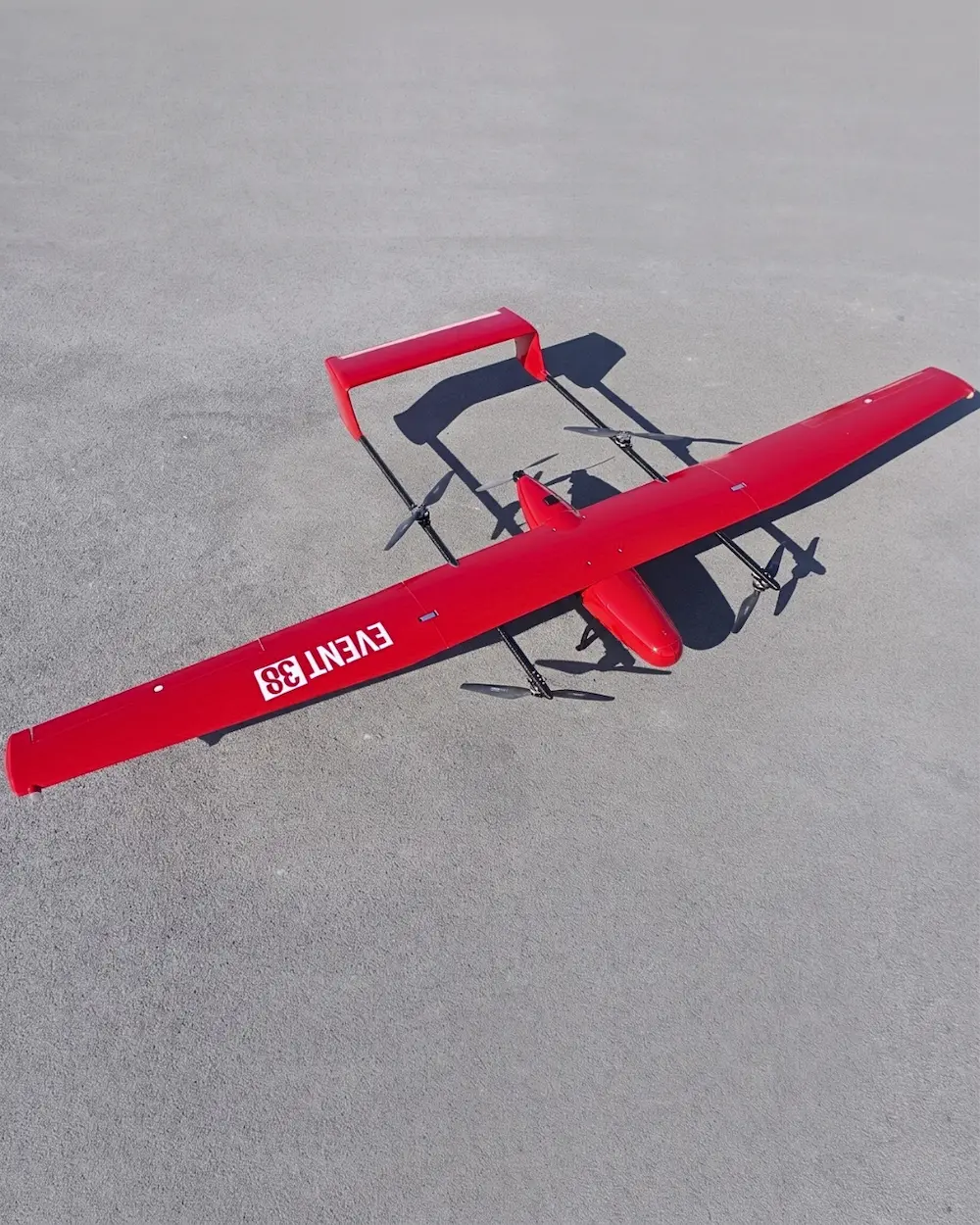
Airplanes and satellites simply cannot match the resolution or cost-efficiency of a well-equipped survey drone at low altitude.Camera resolution, flight altitude, and the geolocation method all heavily influence accuracy. With high-quality equipment such as the Emlid Reach M2 and the high-resolution cameras Event 38 drones carry, these factors become a non-issue.
The number and signal quality of satellites overhead can affect post-processing. Event 38 PPK-capable drones feature a dual-band GPS receiver that pulls signals from all satellite constellations — ensuring reliable reception even in remote locations.
Mapping a dense forest canopy produces the same quality geotags as an urban environment, but photogrammetry software may struggle stitching imagery together when there are few distinctive shared features between images.
Our PPK accuracy case study demonstrates real-world performance of Event 38 drones equipped with dual-band GPS receivers. The study covers horizontal and vertical accuracy results across multiple flight conditions and terrain types, giving you confidence in the data before you fly.
Read More — Download PDF